September 07, 2026 | by: Kuoda Authors
Arriving in Cusco is the beginning of one of the most memorable journeys in Peru. For many travelers, the city is the gateway to the Sacred Valley, Ollantaytambo, Machu Picchu and some of the most remarkable landscapes of the Andes. After a flight, however, the first practical decision is much simpler: how to travel comfortably from the airport to the next destination.
Cusco’s Alejandro Velasco Astete International Airport receives travelers who may be staying in the city, continuing directly into the Sacred Valley or connecting with a train from Ollantaytambo. Each of these plans requires a different amount of travel time and preparation, particularly when luggage, children, groups or scheduled train departures are involved.
Planning transportation before arrival can make this first part of the journey considerably easier. Knowing what to expect at the airport, understanding the available transportation options and allowing enough time for the road ahead helps travelers begin their stay in Cusco without unnecessary uncertainty.
ARRIVING AT CUSCO AIRPORT: WHAT TRAVELERS SHOULD KNOW
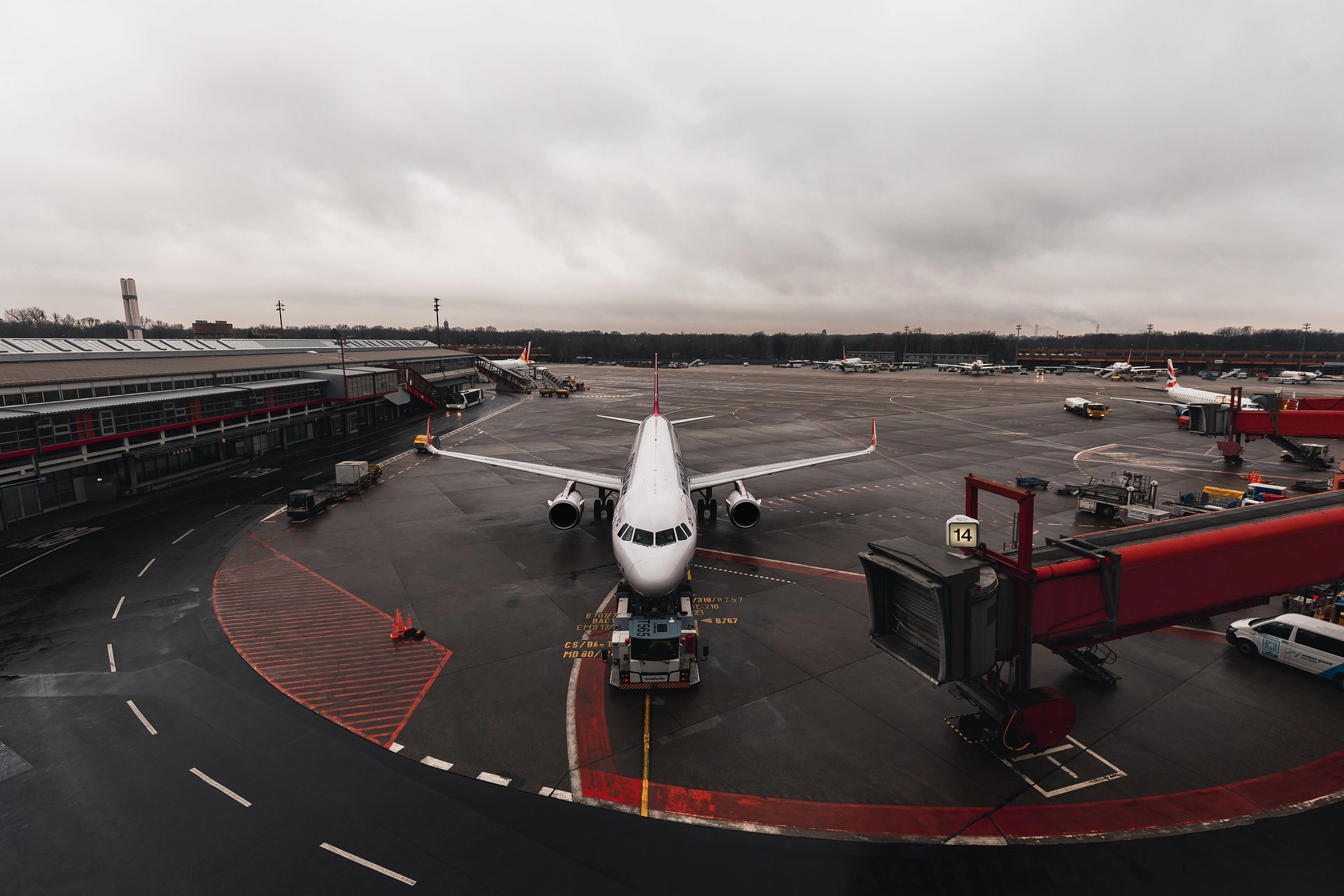
Cusco Airport is located within the urban area of the city, which makes reaching most hotels in central Cusco relatively straightforward. After landing, passengers proceed through the terminal, collect their luggage and make their way to the arrivals area. Although the airport is not especially large, it can become busy when several flights arrive within a similar period.
For travelers visiting Cusco for the first time, the atmosphere outside the terminal may feel quite different from what they are accustomed to at larger international airports. Taxis and transportation providers operate around the arrival area, while passengers are often coordinating hotels, luggage and onward travel at the same time. Having the next stage of the journey organized beforehand can therefore make arrival considerably more relaxed.
Travelers staying in the Historic Center usually have a relatively short drive ahead of them, although actual travel time depends on traffic and the exact location of their accommodation. Streets around the historic part of Cusco can also be narrow, and vehicle access to some hotels may be restricted. In these cases, passengers may need to be dropped at the closest accessible point.
Passengers continuing directly to the Sacred Valley should think of their airport arrival differently. Pisac, Urubamba and Ollantaytambo are separate destinations located outside Cusco, and each requires additional road travel. It is therefore useful to have the exact hotel, train station or final address confirmed before departure.
Another factor worth considering is Cusco’s altitude. Travelers arriving from lower elevations may prefer to keep the first hours of their trip relatively comfortable rather than arranging an overly complicated schedule immediately after landing. A calm transfer to the hotel or next destination provides an opportunity to settle in before beginning sightseeing and other activities.
TRANSPORT OPTIONS FROM CUSCO AIRPORT
Travelers arriving in Cusco can choose between several transportation options depending on their destination, budget, luggage and travel plans. The most practical option for a short journey into the city may not necessarily be the best choice for a family traveling with several suitcases or for passengers continuing directly to the Sacred Valley.
Taxis are commonly available around the airport and can be convenient for straightforward journeys within Cusco. For travelers whose only requirement is transportation from the airport to a centrally located hotel, this can be a relatively simple solution. Before leaving, however, it is advisable to understand how the fare will be handled and to confirm that the vehicle is appropriate for the number of passengers and pieces of luggage.
Prearranged transportation works differently. The service is organized before the passenger arrives, so the transportation provider already has the arrival information, destination and passenger details. This can be particularly useful when arriving after a long journey, traveling as a family or group, carrying substantial luggage or continuing outside the city.
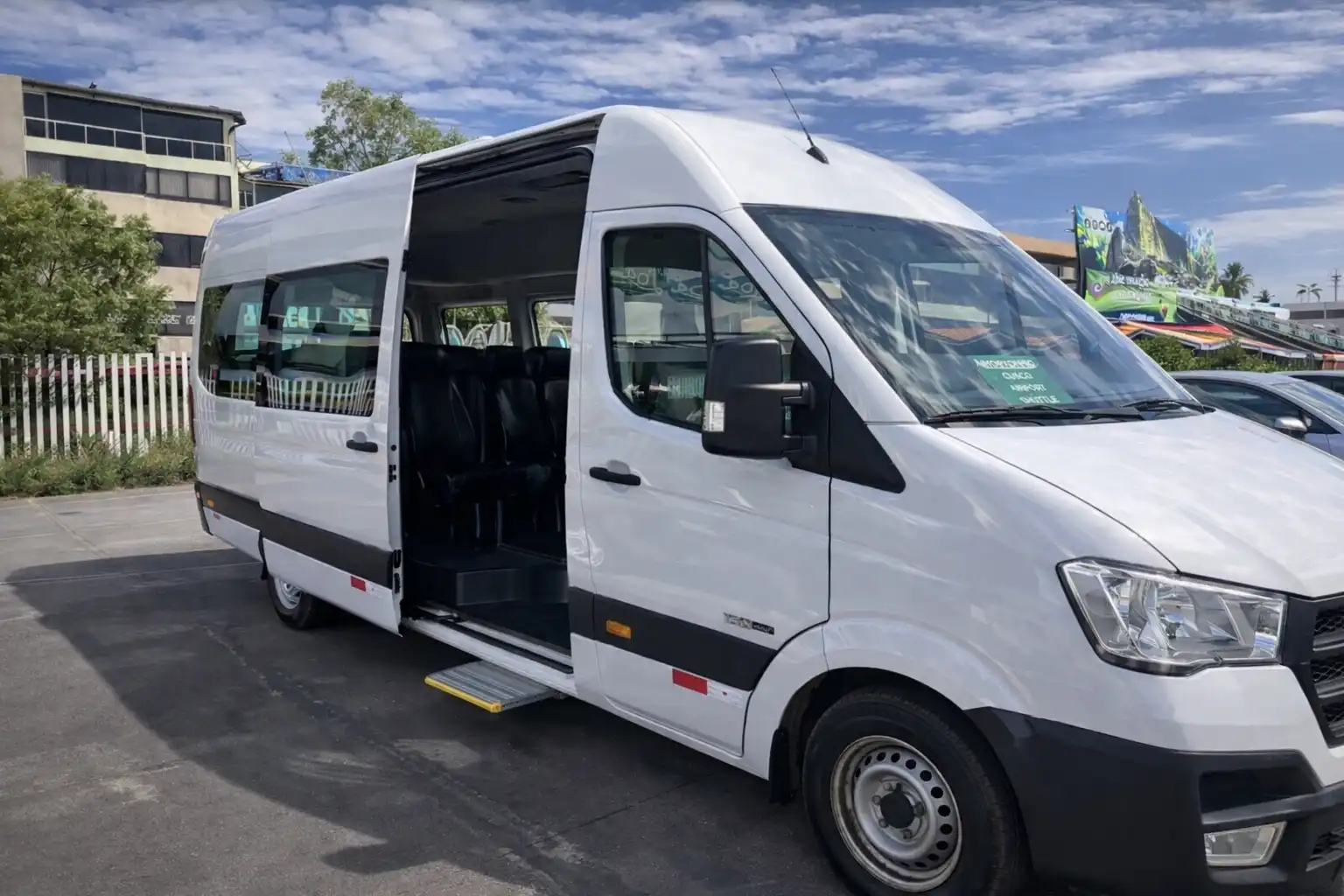
A private vehicle also gives travelers greater control over the journey. Instead of searching for transportation after collecting their bags, passengers can proceed directly to the arranged meeting point and continue toward their destination. The type of vehicle can also be selected in advance according to the size of the group and luggage requirements.
For travelers heading toward Urubamba, Ollantaytambo or other parts of the Sacred Valley, planning becomes more important because these are longer journeys. Travelers connecting with a train should be particularly careful about leaving sufficient time between their flight arrival and train departure. Flight delays, baggage collection and road conditions can all affect the schedule.
There is no single transportation option that is ideal for every traveler. Someone staying close to the airport with very little luggage has different requirements from a family traveling directly to Ollantaytambo. The best choice depends on where the journey ends and how much flexibility and advance organization the traveler prefers.
TRAVEL TIMES TO CUSCO, THE SACRED VALLEY AND OLLANTAYTAMBO
One of the most common mistakes when planning an arrival in Cusco is considering only the distance between two places. Driving times in this region depend not only on kilometers but also on traffic, mountain roads, the time of day and the exact location of the hotel or accommodation.
A transfer from the airport to a hotel in Cusco is generally the shortest of the common journeys. Hotels in and around the Historic Center can often be reached within a relatively short drive, but traffic can increase considerably during busy periods. Access restrictions and narrow streets near some historic properties can also add a few minutes to the final part of the journey.
Travelers heading toward Pisac leave the urban area of Cusco and continue toward the eastern side of the Sacred Valley. Pisac can be a convenient first destination for visitors beginning their stay in the valley, particularly when their itinerary includes the archaeological site, local market or accommodation nearby.
Urubamba is located farther into the Sacred Valley and is home to many hotels and resorts. The journey normally requires considerably more time than a city transfer, and the exact duration depends on the route used and the location of the property.
Ollantaytambo requires even more careful planning. It is both an important Sacred Valley destination and one of the principal departure points for trains toward Machu Picchu. Current transportation guides generally place the road journey from the Cusco area to Ollantaytambo at roughly one and a half to two hours, although airport procedures and traffic must be added when planning a same-day train connection.
For this reason, travelers should avoid calculating a connection based only on the estimated driving time. A flight must first land, passengers must leave the aircraft, luggage must arrive and the vehicle must then depart the airport. Building some flexibility into the itinerary is far more comfortable than planning a connection with only a few minutes to spare.
Travel times should therefore be treated as a planning reference rather than an exact promise. Weather, road works, local events and traffic can occasionally affect travel through Cusco and the Sacred Valley.
WHAT TO EXPECT FROM A PRIVATE AIRPORT TRANSFER
For travelers who have never booked private transportation before, the process is generally simpler than it may seem. Most of the organization takes place before arrival, which means that once the flight lands there are fewer decisions left to make.
Before the travel date, the transportation provider normally receives the passenger’s flight details, arrival time, number of travelers, luggage information and final destination. These details help determine the appropriate vehicle and allow the service to be coordinated around the expected arrival.
Flight information can also be monitored so that significant schedule changes are known before the passenger reaches Cusco. This is particularly useful because flights can occasionally arrive earlier or later than originally scheduled.
Once passengers leave the arrivals area, the driver or representative can meet them at the previously coordinated location. Clear identification —such as a sign displaying the passenger’s name or the company logo— makes the meeting easier, especially for someone visiting Cusco for the first time.
After meeting the driver, passengers are assisted with their luggage and taken to the assigned vehicle. From there, the journey continues directly to the hotel, train station or other agreed destination.
The main advantage is not simply having a car waiting outside. It is having the different parts of the arrival coordinated beforehand: passenger information, flight schedule, vehicle capacity, luggage, meeting point and final destination.
For couples or individual travelers, this can make the arrival more convenient. For larger families and groups, advance coordination becomes even more valuable because the correct vehicle must accommodate both passengers and their bags comfortably.
A private service can also be useful when the airport is only the starting point of a longer journey. Passengers may be traveling directly to Urubamba or Ollantaytambo, for example, or may have arranged sightseeing stops on their way to the Sacred Valley. These requirements should always be coordinated beforehand because a direct transfer and a journey with scheduled stops are different types of service.
LUGGAGE, FLIGHT DELAYS AND OTHER PRACTICAL CONSIDERATIONS
Small practical details can make a considerable difference when organizing airport transportation. Luggage is one of the most important. Two travelers with two standard suitcases may only require a smaller vehicle, while a family or group with checked luggage, carry-ons and backpacks may need substantially more space.
For that reason, the number of passengers alone should not determine vehicle size. Travelers should provide their approximate luggage quantity when arranging transportation. A vehicle that comfortably accommodates six passengers without luggage may not be appropriate for the same six passengers traveling with several large suitcases.
Flight delays are another consideration. Travelers should provide the correct airline and flight number rather than only an estimated arrival time. This allows the transportation arrangements to follow the actual flight more accurately if the schedule changes.
Families traveling with young children should also communicate their needs before arrival. When a child seat is required, this should be requested in advance so that the appropriate equipment can be prepared rather than arranged after landing.
Groups benefit especially from advance planning. A group may require a minivan, minibus or larger vehicle depending on passenger numbers and luggage. Keeping everyone in one coordinated service can also simplify arrival compared with dividing the group among several taxis.
Late arrivals deserve additional attention as well. Although transportation can be coordinated for evening flights, passengers should confirm their arrival schedule beforehand, particularly if their hotel is outside Cusco or they are continuing toward the Sacred Valley.
Train connections require perhaps the most careful planning of all. A traveler landing in Cusco and continuing to Ollantaytambo should leave a comfortable margin between flight arrival and train departure. A delay in the flight, baggage delivery or road traffic can otherwise create unnecessary pressure. Current travel guidance similarly recommends allowing additional time rather than treating the published driving estimate as the complete airport-to-train connection time.
Giving the transportation provider accurate information before arrival —flight number, destination, passengers and luggage— is therefore one of the simplest ways to make the service run smoothly.
LUGGAGE, FLIGHT DELAYS AND OTHER PRACTICAL CONSIDERATIONS
A comfortable arrival in Cusco does not require complicated planning. What matters most is having the essential details organized before traveling: the correct flight information, the address of the accommodation, the number of passengers, luggage requirements and any onward train or tour reservations.
Travelers spending their first night in Cusco can usually keep the arrival simple. Transfer to the hotel, settle in and allow some time to become accustomed to the altitude and surroundings before beginning a busy itinerary.
Those continuing directly to the Sacred Valley should plan with a little more care. Knowing whether the final destination is Pisac, Urubamba, Ollantaytambo or another property in the valley makes it possible to estimate the journey more realistically and choose an appropriate vehicle.
Travelers catching a train should avoid planning around the shortest theoretically possible connection. Additional time provides protection against flight delays, baggage issues and changing road conditions and makes the beginning of the journey much less stressful.
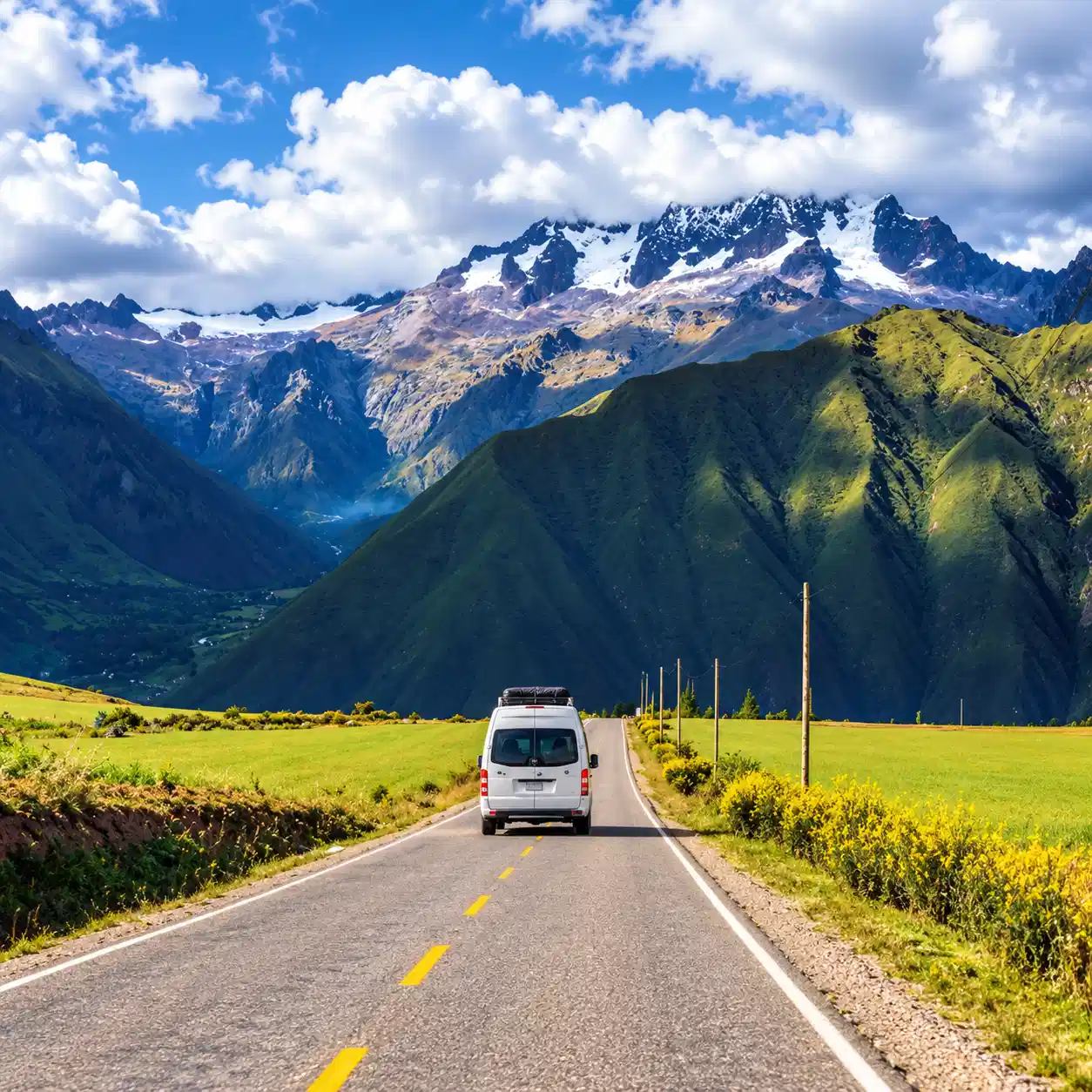
It is also worth remembering that transportation can be part of the travel experience rather than simply the space between the airport and a hotel. The landscape changes quickly as travelers leave Cusco and move toward the Sacred Valley, passing Andean communities, farmland and mountain scenery along the way.
For travelers who prefer to organize their arrival in advance, Cusco Transport & Tours provides private transportation from Cusco Airport to hotels in the city, the Sacred Valley, Ollantaytambo and other destinations. Services can be coordinated according to the passenger’s arrival details, group size, luggage and onward travel plans.
Whether Cusco is the final destination or simply the beginning of a longer journey through Peru, organizing the first transfer carefully provides a comfortable and practical start to the trip.