September 07, 2026 | by: Kuoda Authors
Traveling across Peru often means combining very different regions, from coastal cities and desert landscapes to Andean towns and mountain valleys. Distances can be significant, routes vary greatly, and transportation that works well for one part of the country may not be the best choice for another. Understanding Private Transportation in Peru can therefore make a major difference when planning a multi-destination itinerary.
Travelers may move between places such as Lima, Cusco, the Sacred Valley, Arequipa, Puno, Paracas and other regional destinations during the same trip. Some routes are well connected by flights or buses, while others may be more practical with a private vehicle, especially when luggage, flexible departure times or stops along the way are important.
This guide explains the main considerations for Transportation in Peru, including how to travel between cities, when private transportation may be useful and what travelers should think about before choosing a route. It also looks at factors such as distance, group size, luggage, travel time and the possibility of combining transportation with planned stops.
For visitors wondering How to Travel Around Peru, the best solution is rarely the same for every journey. By understanding the available options and planning the most important connections in advance, travelers can build an itinerary that is more comfortable, realistic and easier to manage.
UNDERSTANDING TRANSPORTATION ACROSS PERU
Traveling between Peru’s main destinations requires more planning than simply choosing the shortest route on a map. The country’s geography changes dramatically from the coast to the Andes and the Amazon, and the best way to travel can depend on distance, road conditions, schedule and the type of experience you want during the journey.
Transportation in Peru includes a combination of domestic flights, long-distance buses, trains and private vehicles. Each option works differently depending on the route. A flight may be the most practical choice between distant cities such as Lima and Cusco, while road transportation can make more sense for regional journeys where travelers want greater flexibility or need to reach destinations outside major transport hubs.
Private Transportation in Peru becomes especially useful when the journey involves several passengers, luggage, hotel-to-hotel travel or destinations that are not connected by a direct public service. It can also be helpful when the route itself is part of the travel experience, allowing the journey to include planned stops, meals or viewpoints along the way.
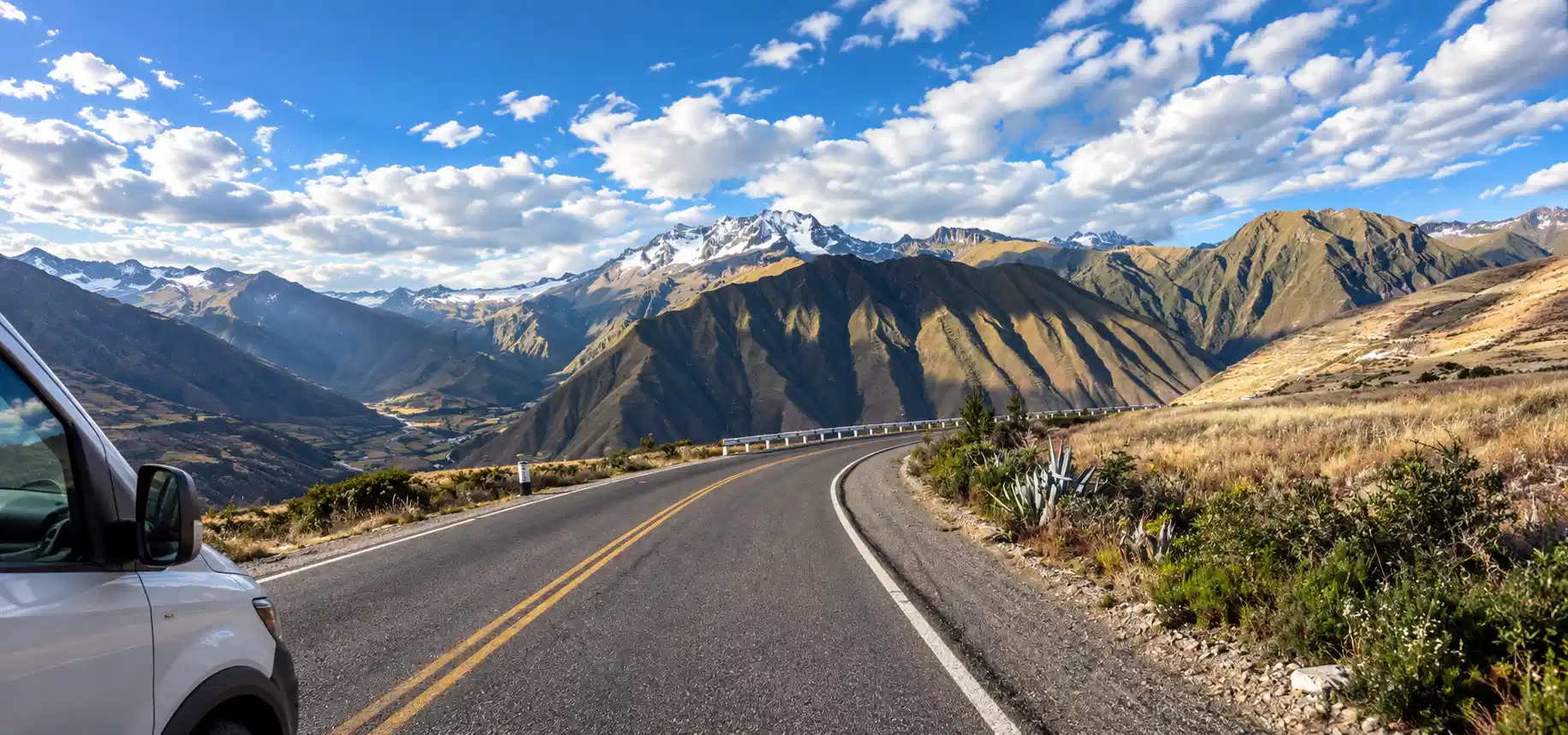
Travel times should also be considered carefully. Peru’s mountainous geography means that two places that appear relatively close may still require several hours on the road. Routes through the Andes can include winding roads, changes in elevation and varying traffic conditions, so realistic scheduling is essential when building a multi-city itinerary.
Another important factor when Getting Around Peru is understanding that the best transportation option may change throughout the trip. Travelers might use a flight for one long-distance connection, a train for Machu Picchu and private transportation for regional routes through the Sacred Valley or between nearby cities.
Rather than relying on a single form of transportation for the entire journey, a well-planned itinerary combines the options that make the most sense for each route. Understanding these differences is the first step toward traveling between Peru’s destinations in a more comfortable and efficient way.
CHOOSING THE RIGHT WAY TO TRAVEL BETWEEN CITIES
Travel Between Cities in Peru can involve very different transportation choices depending on the distance, destination and schedule. A route that works well by road may be less practical by air, while another journey may be easier with a flight or train connection. The key is to match the transportation method to the route rather than using the same solution for every part of the trip.
For longer distances, domestic flights can save significant travel time, especially between major cities such as Lima, Cusco and Arequipa. However, airports are not always located close to the traveler’s final destination, so additional transportation may still be needed before or after the flight.
Long-distance buses are another common option and can connect many cities and regional destinations. They may work well for travelers with flexible schedules, but journey times can be considerably longer and departure points may require additional local transportation.
Private Transportation in Peru can be particularly useful for regional routes where travelers want direct hotel-to-hotel service, more control over departure times or the possibility of including planned stops along the way. It may also be a practical choice for families and small groups who prefer to travel together with their luggage in one vehicle.
Rail travel plays an important role on specific routes, particularly around Cusco and Machu Picchu, but it is not a nationwide transportation solution. Travelers should therefore view trains as one part of a larger itinerary rather than the main way of Getting Around Peru.
The best choice usually depends on distance, available time and what happens before and after the journey. Combining flights, trains, buses and private vehicles where each option makes the most sense can create a more efficient and comfortable travel plan across Peru.
KEY ROUTES BETWEEN PERU’S MAIN DESTINATIONS
Some of the most important travel routes in Peru connect major cities with regional destinations rather than simply linking one city center to another. Understanding these routes can help travelers decide when a flight, bus, train or private vehicle is the most practical choice.
Lima is often the starting point for journeys along the southern coast, including destinations such as Paracas, Ica and Nazca. These routes can be traveled by road and may suit travelers who want direct transportation, flexible departure times or planned stops along the way.
From Cusco, many travelers continue toward the Sacred Valley, Ollantaytambo or Puno. These journeys vary considerably in distance and travel time, and Private Transportation in Peru can be useful when the itinerary includes hotels, train connections or several destinations within the same route.
Arequipa and the Colca region form another important travel corridor. Travelers may choose road transportation when visiting Colca Canyon or continuing toward Puno, especially when the journey itself includes scenic stops or smaller towns that are not easily reached by air.
For travelers planning How to Travel Around Peru, these regional connections are often just as important as the major city-to-city routes. A well-organized itinerary considers not only the starting point and final destination, but also the places that may be visited or connected along the way.
The most practical transportation option will depend on the route, available time and travel priorities. By planning these key connections in advance, travelers can create a more realistic itinerary and avoid unnecessary backtracking between destinations.
WHEN PRIVATE TRANSPORTATION MAKES THE MOST SENSE IN PERU
Private Transportation in Peru is especially useful when a journey involves more than simply moving from one city to another. It becomes more valuable when travelers need direct hotel-to-hotel service, want flexible departure times or plan to include stops along the route without depending on fixed public schedules.
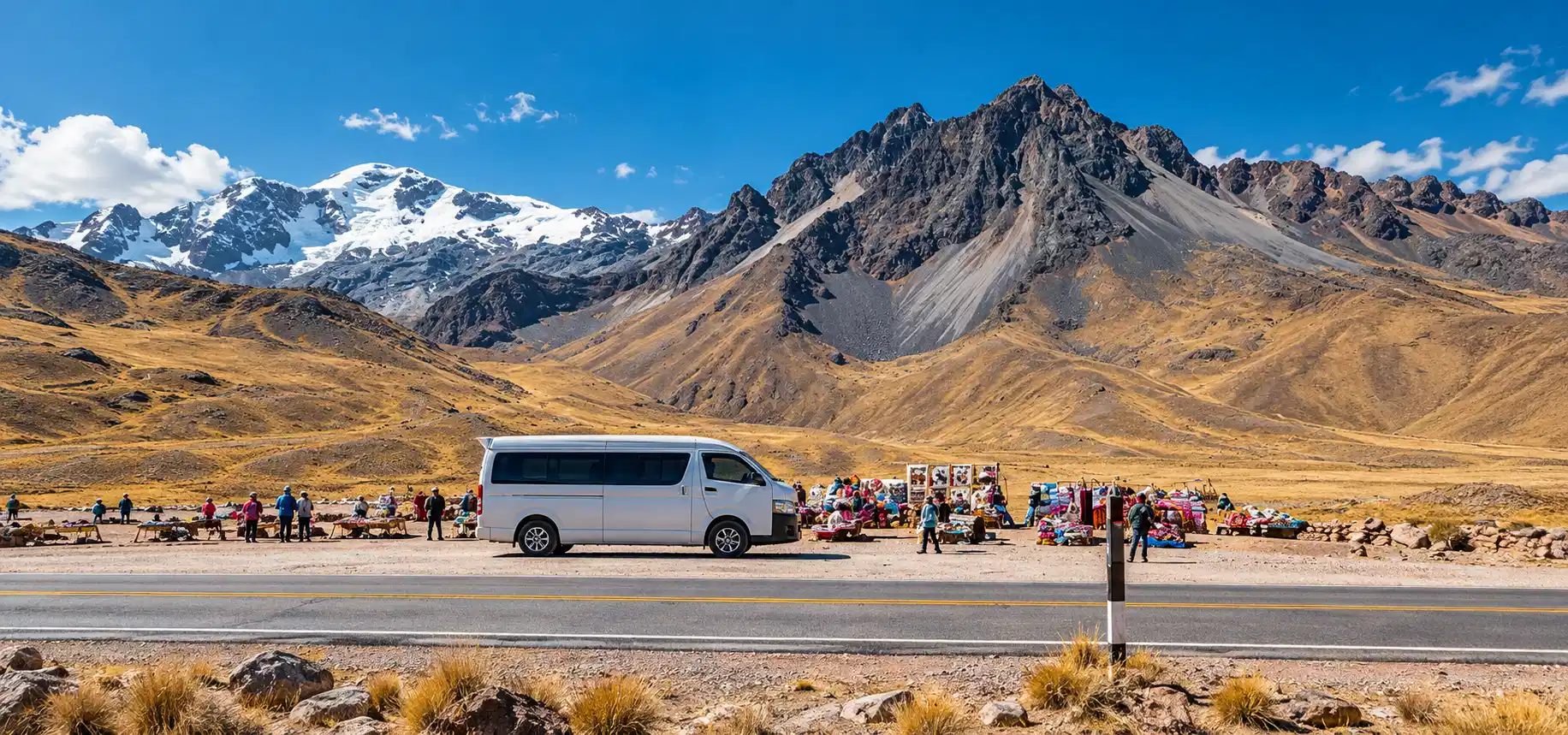
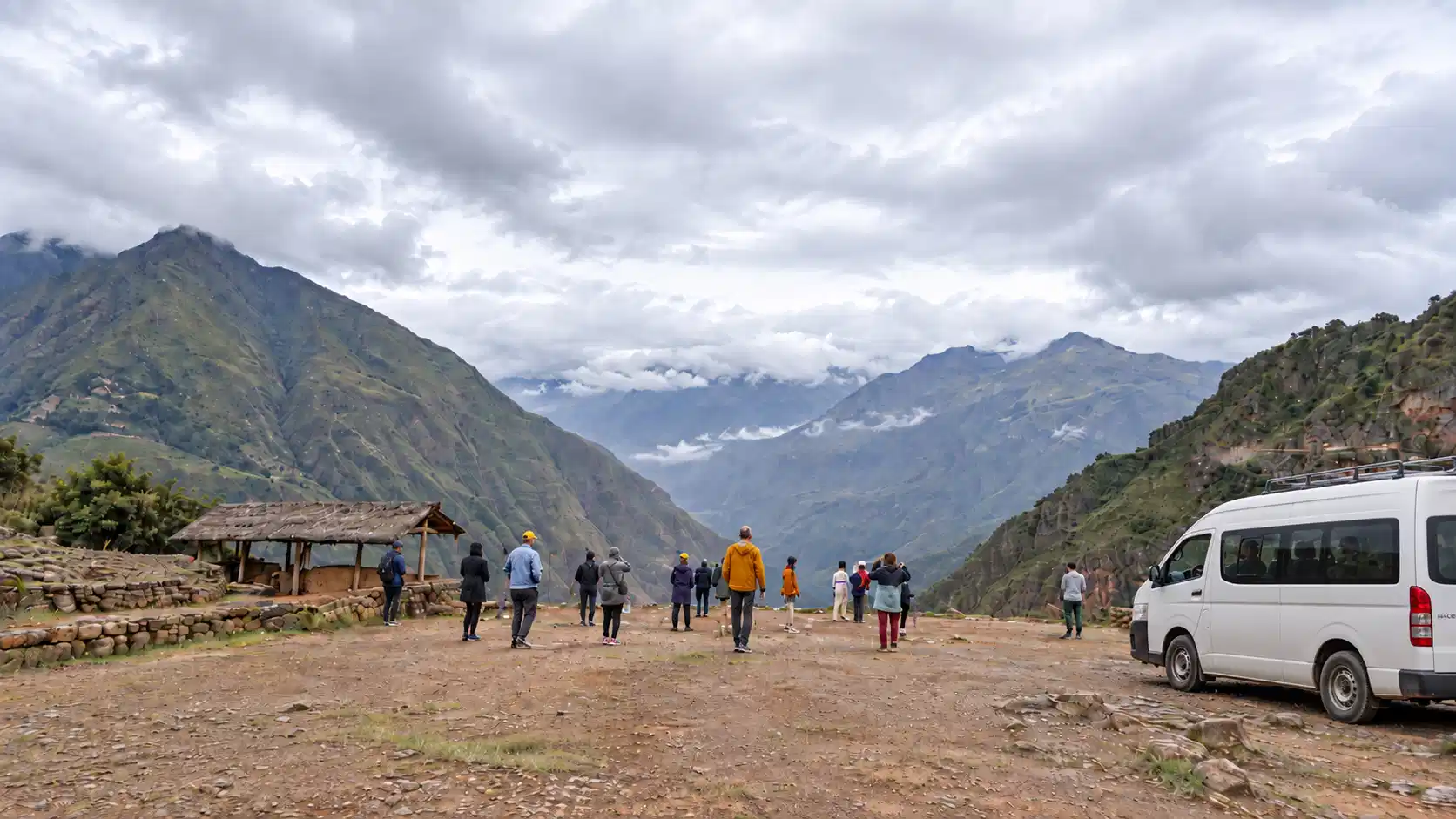
This can be particularly helpful on regional journeys where the route itself is part of the travel experience. For example, some travelers may wish to stop for viewpoints, meals or short visits while traveling between destinations. In these situations, private transportation offers a level of flexibility that buses and flights do not usually provide.
Families and small groups may also find private service more practical when traveling with luggage. Keeping everyone in one vehicle can make longer travel days easier to manage, especially when the route includes hotels, airports, train stations or destinations outside major transport hubs.
Private transportation can also be useful when timing matters. Travelers connecting with a train, arriving on a flight schedule or moving between accommodations on a fixed itinerary often benefit from transportation that is coordinated around their exact plans rather than around public departure times.
For travelers considering How to Travel Around Peru, the main advantage of private service is not only comfort, but also coordination. It allows the journey to be adapted to the traveler’s route, timing and practical needs, especially on the parts of the itinerary where flexibility matters most.
Private transport is not necessary for every route in Peru, but it can make a significant difference on journeys where direct service, luggage handling, group travel or planned stops are important parts of the experience.
PLANNING LONG-DISTANCE TRAVEL IN PERU
05 — PLANNING LONG-DISTANCE TRAVEL IN PERU
Long-distance travel in Peru requires realistic planning, especially when an itinerary combines several regions within a limited number of days. Distances can be considerable, and travel times are influenced not only by kilometers but also by road conditions, elevation changes, traffic and the type of transportation used.
When planning Transportation in Peru, travelers should first identify which routes are best handled by air and which make sense by road. A flight may save many hours between distant cities, while regional journeys can often be more practical with ground transportation, particularly when the route includes hotels, smaller towns or destinations located away from major airports.
Departure times are another important consideration. Starting earlier can sometimes make a long road journey easier, especially on routes where traffic increases later in the day or where travelers want to include planned stops. At the same time, itineraries should avoid placing important activities too close to the expected arrival time, as road travel can be affected by conditions that are difficult to predict precisely.
Luggage and group size should also be considered before choosing a vehicle. Families and groups traveling between cities may require additional luggage capacity, while couples with lighter bags may be comfortable in a smaller vehicle. Selecting the appropriate transportation in advance helps make longer journeys more comfortable.
Travelers should also avoid trying to cover too many destinations in too little time. Getting Around Peru is often more enjoyable when the itinerary allows enough time for both transportation and the destinations themselves. A realistic travel plan reduces unnecessary backtracking and helps prevent long driving days from dominating the trip.
The best long-distance itinerary is usually one that balances efficiency with flexibility. Understanding how much time each route realistically requires makes it easier to decide where Private Transportation in Peru adds value and where another transportation option may be more appropriate.
BUILDING A PRACTICAL TRANSPORTATION PLAN FOR PERU
A well-organized trip through Peru does not require using the same type of transportation for every journey. In fact, the most practical itineraries usually combine several options according to distance, schedule and destination.
Start by identifying the major connections in your trip. Long-distance routes between cities may be better suited to flights or buses, while private transportation can be useful for regional journeys, hotel-to-hotel travel or routes where flexibility and planned stops are important.
Next, consider the parts of the itinerary that depend on fixed schedules. Flights, trains and certain hotel arrangements require more careful coordination than flexible sightseeing days. These connections should be planned first, allowing enough time for transfers, luggage and possible delays.
Travel Between Cities in Peru also becomes easier when the overall route follows a logical geographic order. For example, grouping destinations within the same region can reduce unnecessary travel time and avoid returning repeatedly to the same city.
Travelers should also decide where comfort and flexibility matter most. Private Transportation in Peru may be worth prioritizing on longer regional routes, journeys with several passengers or travel days involving multiple stops. Simpler city journeys can often remain more flexible.
For anyone deciding How to Travel Around Peru, the goal should not be to choose one transportation method for the entire country. A better approach is to combine the options that make the most sense for each stage of the journey.
By planning the main connections in advance and leaving flexibility where possible, travelers can create an itinerary that is easier to manage, more comfortable and better suited to the distances and variety that make traveling through Peru unique.